
Square Wave Pulsating Overpotential Treatment of Chromic Acid Solution

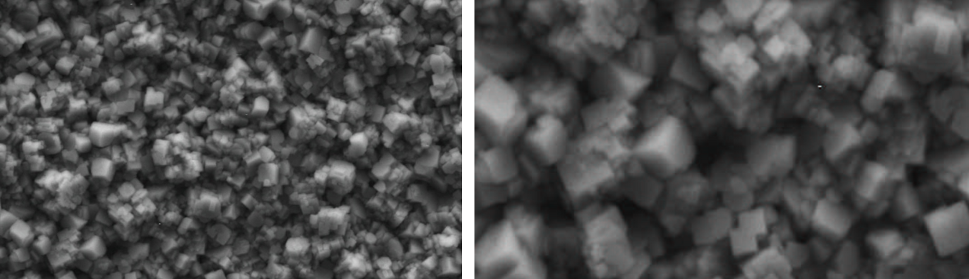
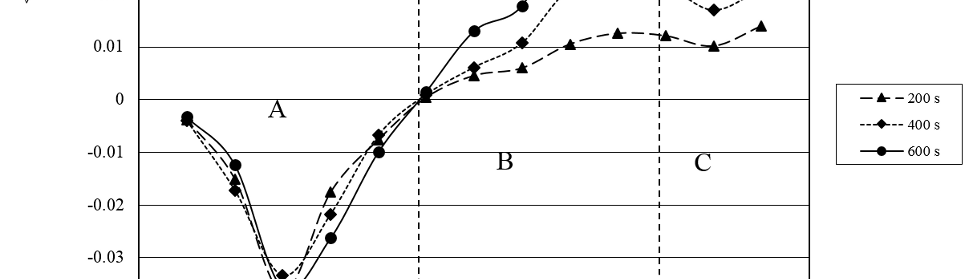
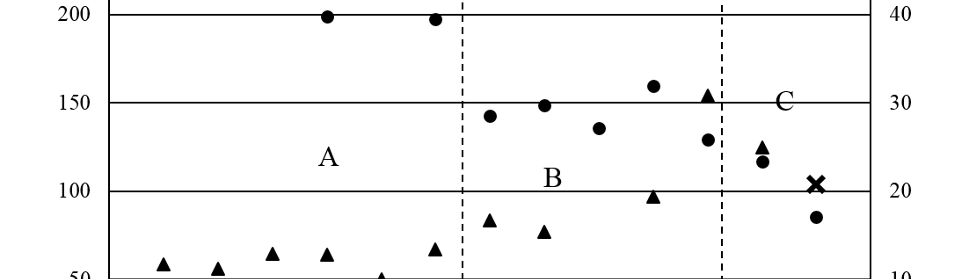
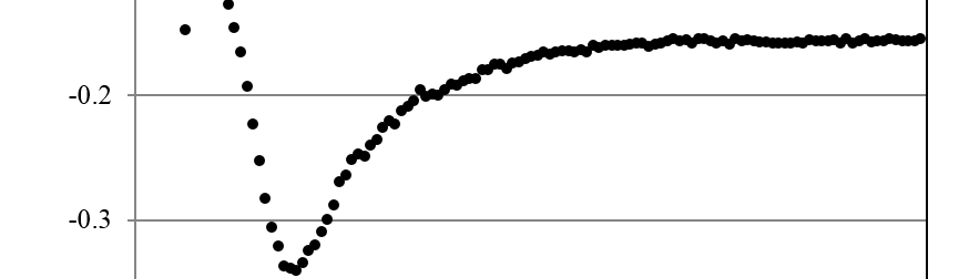
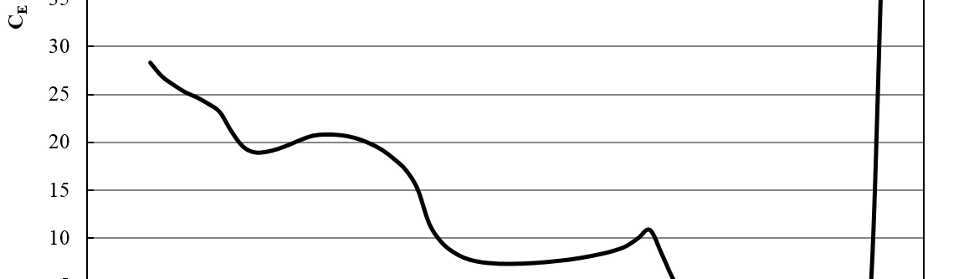
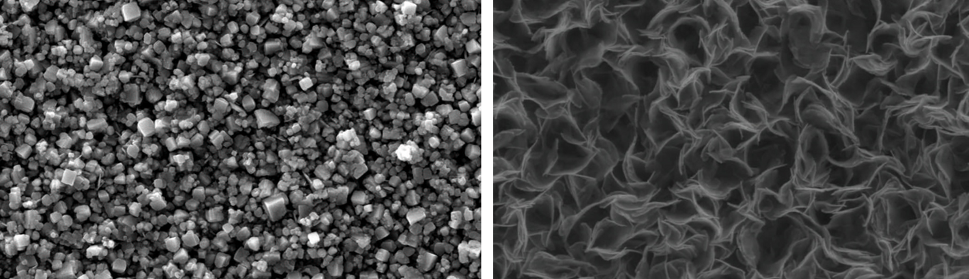
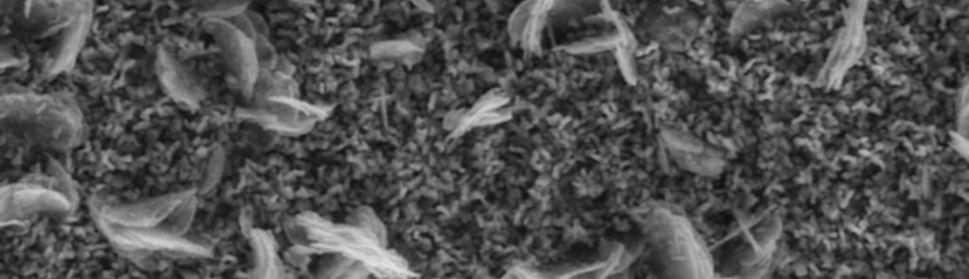
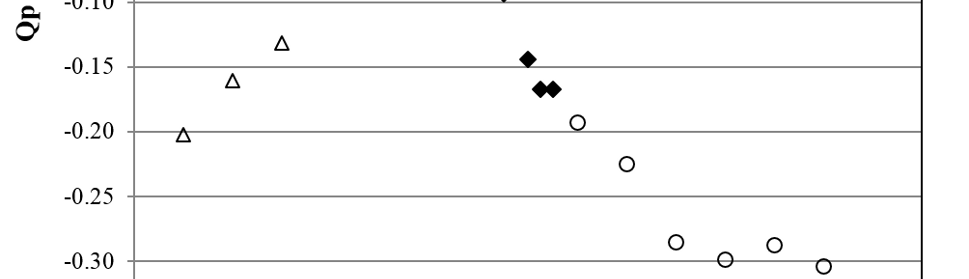
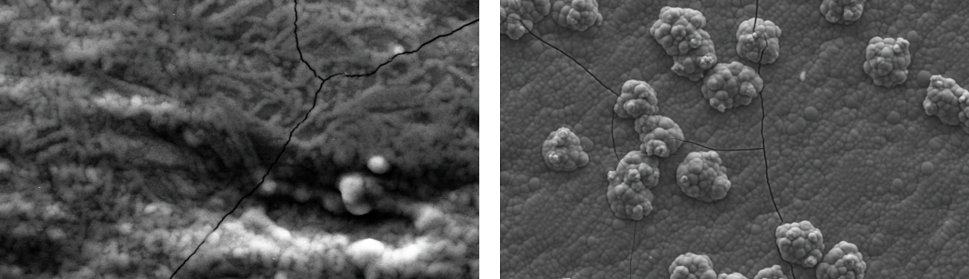
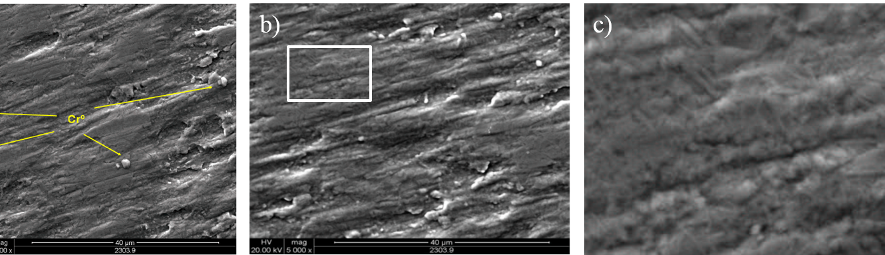
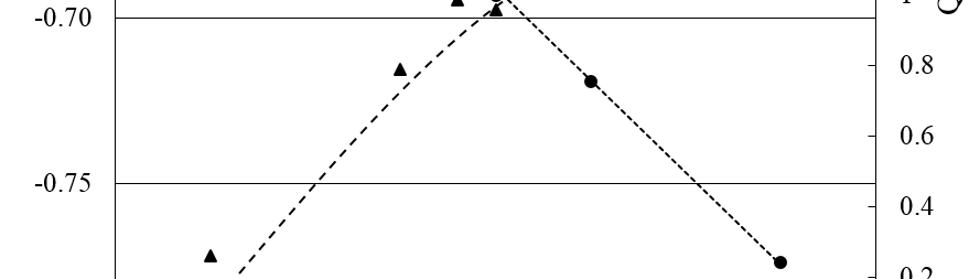
Systematic investigation of square wave pulsating overpotential (SWPO) treatment of a chromic acid solution is presented. Some preliminary potentiodynamic scans, potentiostatic deposits, potential steps and capacitance vs. potential curves were measured in order to establish the practical range of the SWPO signal parameters. The results show that properly adjusting the electrochemical parameters of the cyclic alternating potential perturbation it is possible to obtain cracked or crack free metallic chromium or chromium oxide/hydroxide mixed coatings. The different deposit morphologies were characterized through scanning electron microscopy and their chemical composition and micro hardness was measured. Some insight into the possible mechanisms of coating growth under this potential cycling treatment is given.



    

Overview of the UK Surface engineering sector

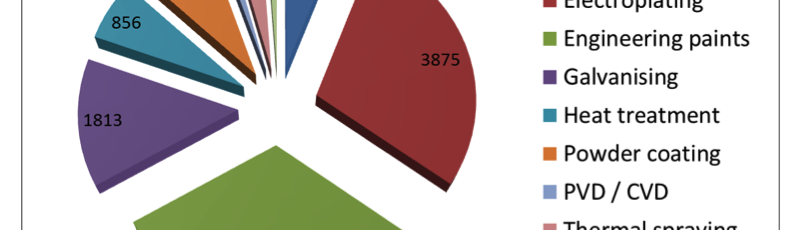
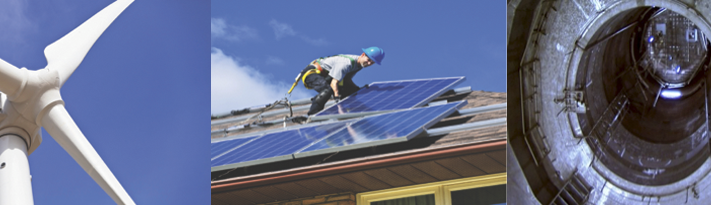
Surface engineering is a sub-discipline of materials science and covers a multitude of processes such as electroplating, anodising, electro-polishing, heat treatment processes, physical vapour deposition and the like. The term surface engineering was promoted by, amongst others, Professor Tom Bell of the University of Birmingham defining it as “the design of surface and substrate together as a functionally graded system to give a cost-effective performance enhancement of which neither is capable on its own”. Imagine a world without cars, aeroplanes, trains, computers, mobile phones, medical implants, buildings, electronics, in fact virtually no manufactured products – that’s a world without surface engineering. Thus, the application of surface engineering is vital to the success of almost every commercial and industrial product: from aero engines to aeroplanes, from iPods to surgical implants and from razor blades to racing cars.


Adsorption and Corrosion Inhibition Characteristics of Some Thiophene-3-Carbohydrazide Derivatives on Low Carbon Steel in Hydrochloric Acid Solutions

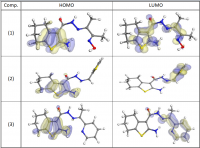
Fig. 7: Molecular orbital plots of organic compounds

New compounds of corrosion inhibitors namely amino-N’-(3-(hydroxyimino)butan-2-ylidene)-4,5,6,7-tetrahydrobenzo[b]thiophene-3-carbohydrazide (1), amino-N’-(thiophen-2-ylmethylene)-4,5,6,7-tetrahydrobenzo[b]thiophene-3-carbohydrazide (2) and amino-N’-(1-(pyridin-2-yl)ethylidene)-4,5,6,7-tetrahydrobenzo[b]thiophene-3-carbohydrazide (3) were synthesized and its inhibiting action on the corrosion of carbon steel in 1 M hydrochloric acid at 25ºC was investigated by various corrosion monitoring techniques. A Potentiodynamic polarization, AC impedance and electrochemical frequency modulation methods have been used. Potentiodynamic polarization studies showed that these derivatives were mixed type inhibitors. The effect of temperature on the corrosion behavior of carbon steel in 1 M HCl with the addition of these compounds were studied in the temperatures 25 and 45ºC. The adsorption of these inhibitors on carbon steel surface from hydrochloric acid obeyed the Langmuir adsorption isotherm. Quantum chemical method is used to explore the relationship between the inhibitors molecular properties and their inhibition efficiency.


SF EXPO 2015 came to a satisfactory ending

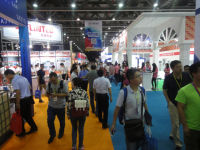
SF EXPO — The most professional and highly recognized surface finishing industry pageant came to a satisfactory ending on May 13th at Guangzhou Poly World Trade Center. The 3-day exhibition attracted 13,749 visitors and 289 exhibitors from 38 countries and regions. The number of visitors renews the record again. Although SF EXPO 2015 comes to a successful ending, the negotiation and cooperation between visitors and exhibitors has just started. Continue reading…

Sodium-bismuth-lead low temperature liquid metal battery

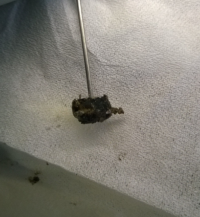
Fig. 3: Image of a Na negative electrode after three charge-discharge cycles

The development of a low temperature liquid metal battery based on ionic liquids namely, sodium-bis(trifluoromethylsulfonyl)imide (Na[TFSI]) in tetraethylammonium-bis(trifluoromethylsulfonyl) imide ([TEA][TFSI]) will be discussed. Such a battery should be easily accessible for fluid flow measurements which is still a challenge with the conventional high temperature systems. Cells comprising a Na negative electrode, 20 mole% Na[TFSI] in [TEA][TFSI] ionic liquid electrolyte and a Pb-Bi eutectic positive electrode were constructed and operated at 160 °C. Galvanostatic cycling experiments were conducted at low C rates (C/26) for 13 h corresponding to 50% depth of discharge. A discharge capacity of 565 mAh/g was found. Furthermore electrochemical impedance spectroscopy was used to characterize the aging of the cells.