Electrochemical removal of nitrate from waste water

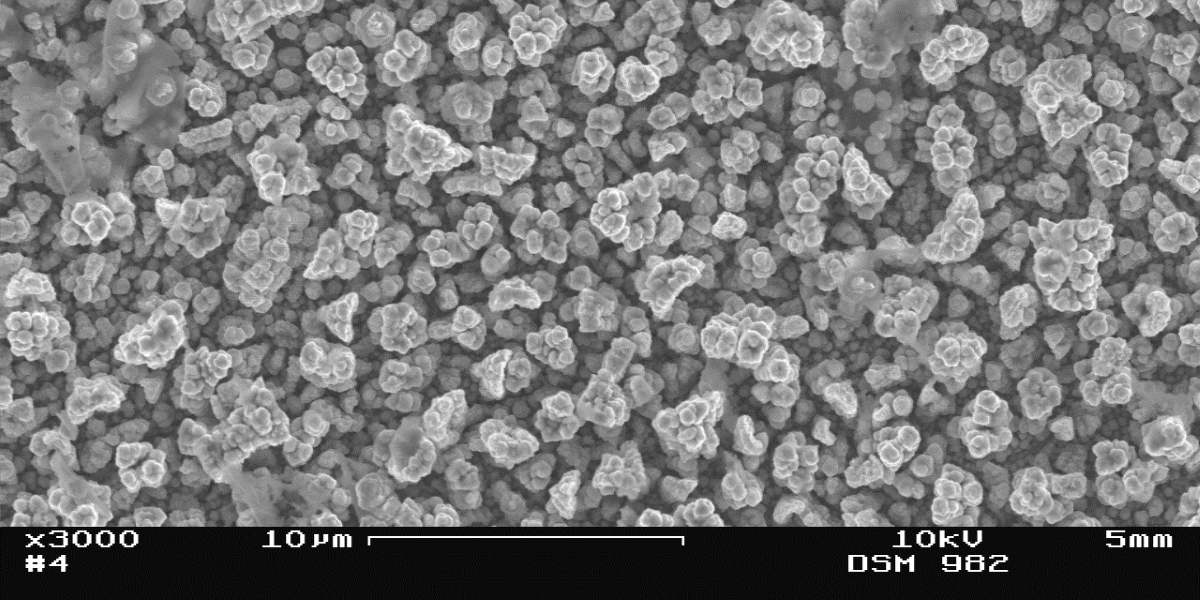
The reduction process of nitrate at copper based electrodes was investigated. The cyclic voltammetry (CV) studies allowed us to establish the specific parameters concerning the electrodeposition of the individual metals and their alloys. It was demonstrated that the products resulting from electrochemical nitrate reduction (ENR) in alkaline media can be detected by cyclic hydrodynamic voltammetry (CHV) and square wave voltammetry (SWV) techniques at Cu and CuSn plated Pt electrodes. Moreover, using SWV ammonium can be electrochemically detected with good accuracy. An enhancement of the electrocatalytic activity of Cu by alloying it with Sn was observed. The reduction of nitrate was investigated in an engineering laboratory scale flow reactor under different operating conditions. On the two investigated types of cathode materials (Cu and CuSn), the concentration of nitrate was reduced electrochemically to the maximum permissible limit (50 mg/L) with a energy consumption in the range of 2 – 16 kWh/kg NaNO3 at a CuSn cathode.


    

Electrofabrication of Composition Modulated Multilayer Alloy (CMMA) of Co-Ni for Better Corrosion Protection

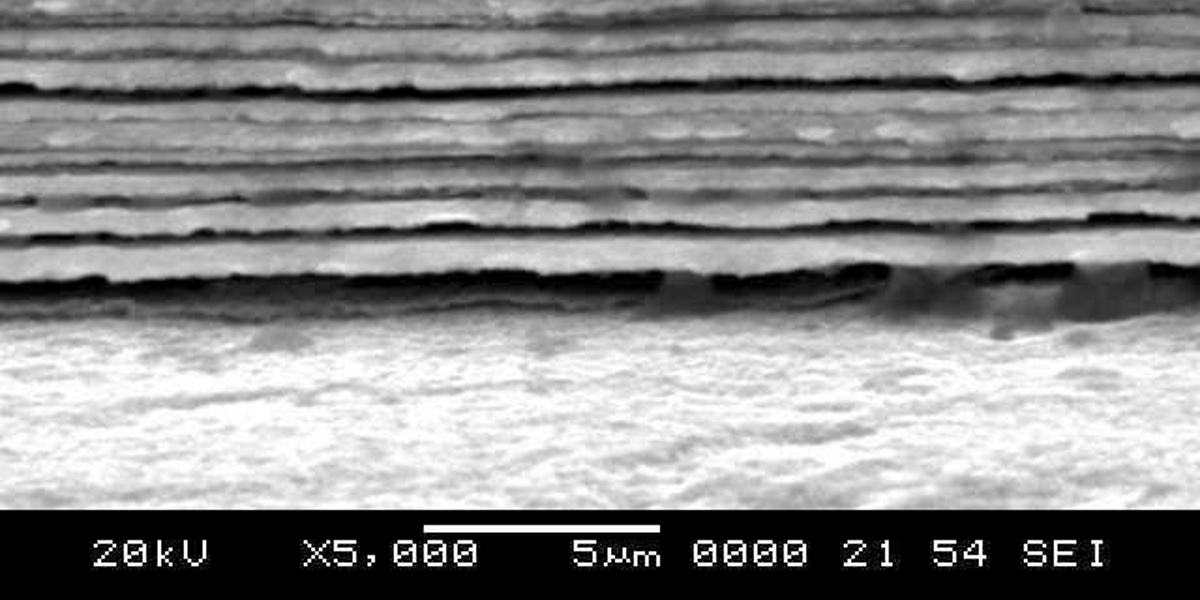
Electrofabrication of multilayer Co-Ni alloy coatings were accomplished successfully on mild steel (MS) for better corrosion protection. Multilayer comprised of alternatively formed ‘nano-size’ layers of Co-Ni alloy of different composition have been produced from single electrolyte having Co+2 and Ni+2 ions using modulated (i.e. periodic pulse control) current density. The deposition conditions were optimized for both composition and thickness of individual layers for best performance against corrosion. The process and product of depositions were analyzed using cyclic voltammetry and SEM, PXRD, Hardness Tester, electrochemical AC and DC methods, respectively. The corrosion behavior of multilayer coatings was found to be improved drastically when the thickness of individual layer approached nano regime. The coating having 300 layers, deposited at cyclic cathodic current densities of 2.0 and 4.0 Adm-2 was found to show the least corrosion rate (CR = 0.02 mmpy) compared to monolayer (Co-Ni)4 alloy coating (CR = 2.8 mmpy) deposited from the same bath for same deposition time. Drastic improvement in the corrosion performance of multilayer coatings were explained in the light of changed kinetics of mass transfer at cathode and increased surface area due to layering, respectively.


Kinetics of Corrosion Inhibition of Aluminum in Alkaline Solutions by Water-Soluble Poly (Vinyl Alcohol) as Synthetic Polymer

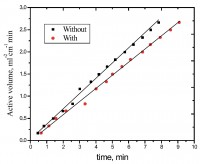
Figure 1.

The influence of water-soluble poly (vinyl alcohol) (PVA) as a synthetic polymer containing secondary alcoholic groups on the rate of dissolution of aluminum (Al) metal in alkaline medium has been investigated using both gasometric and weight-loss techniques. The results showed that addition of poly (vinyl alcohol) to the tested solutions leads to a remarkable decrease in the corrosion rates of Al in alkali. The magnitude of inhibition efficiency was determined and compared to that obtained with other macromolecules containing secondary alcoholic groups. The inhibition action of PVA on Al metal surface was found to obey Freundlich adsorption isotherm. Factors affecting the corrosion process such as the concentration and nature of the inhibitor, concentration of the corrosive medium and the temperature were examined. A tentative inhibition mechanism consistent with the kinetic results obtained is suggested and discussed.


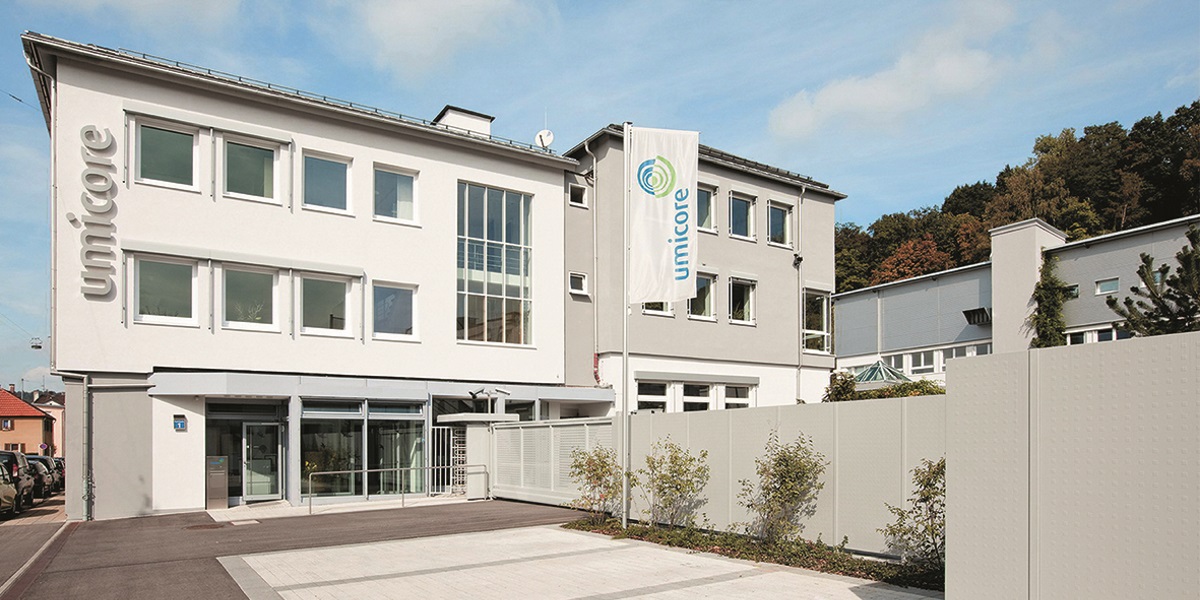
Umicore celebrated its 125th anniversary

A regional operation turned into a global medium-sized company with more than 60 own sales offices and professional representations.
Umicore Galvanotechnik is a recognized and leading producer of decorative and functional coating processes mainly for the electronic-, communications-, automobile- and jewelry industry. Precious metal and non-precious metal electrolytes for the improvement of technical features or optical aspects are developed and produced. The product line is round off by precious metal preparations and dimensionally stable anode and cathode systems. The worldwide sales and service network ensures nationwide support for customers and business partners.
This year, the Gmuend based electroplating experts celebrated its 125th anniversary, a perfect occasion for a glimpse into the past and the future. Continue reading…

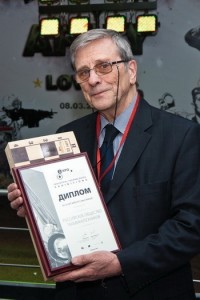
Vladimir N. Kudryavtsev passed away on Thursday, October 31, 2013

Vladimir Kudryavtsev

Doctor of Science, Professor, Head of the Department of Electrochemical Engineering of the Mendeleyev University of Chemical Technology

Vladimir Kudryavtsev was born in Moscow on May 24, 1935 in an academic family. His father , Nikolay T Kudryavtsev, Dr. Sci. Professor was a prominent scientist in the field of electrochemical engineering, especially in electroplating , and at that time he was a Head of the Department of Electrochemical Engineering at the Mendeleyev Institute of Chemical Technology (now – Mendeleyev University). His experience, close cooperation with soviet plating industries turned to be powerful attraction for his son and for his choice of his future. Continue reading…