
Study of the electrochemical activity of Agnéby clay as a modifier of a graphite-based carbon electrode for the detection of perfluorooctanoic acid

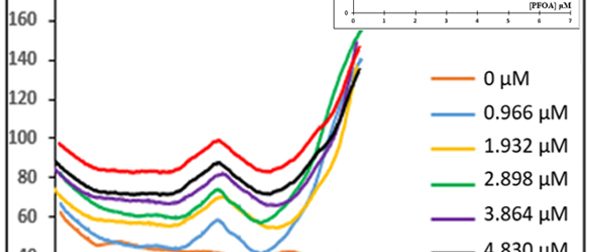
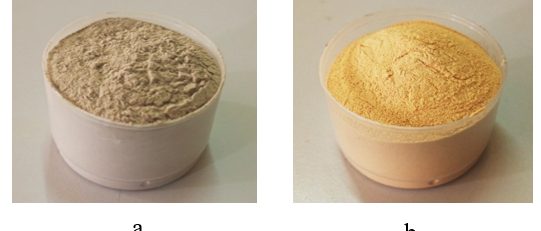
A graphite paste electrode modified with 3% Agnéby clay was developed for the sensitive electrochemical detection of perfluorooctanoic acid (PFOA). The natural clay was purified and characterized by X-ray diffraction prior to its incorporation into the electrode matrix. The interaction between Agnéby clay and PFOA plays a key role in enhancing the electrochemical response through adsorption and preconcentration effects, leading to increased active surface area and improved electron transfer kinetics.

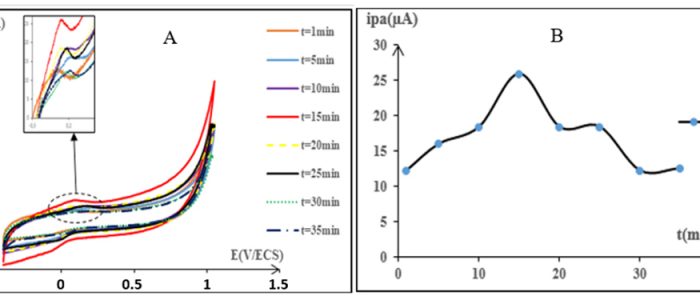
Electrochemical measurements performed using cyclic voltammetry and square wave voltammetry revealed significantly enhanced oxidation signals compared to the unmodified electrode. The modified electrode exhibited a detection limit of 0.49×10⁻⁶ mol⋅L−1, along with good stability and reproducibility.

These results demonstrate that Agnéby clay is an effective, low-cost modifier for the development of high-performance electrochemical sensors, offering promising applications for environmental monitoring of perfluorinated compounds.


    

Electrochemical removal of nitrate from waste water

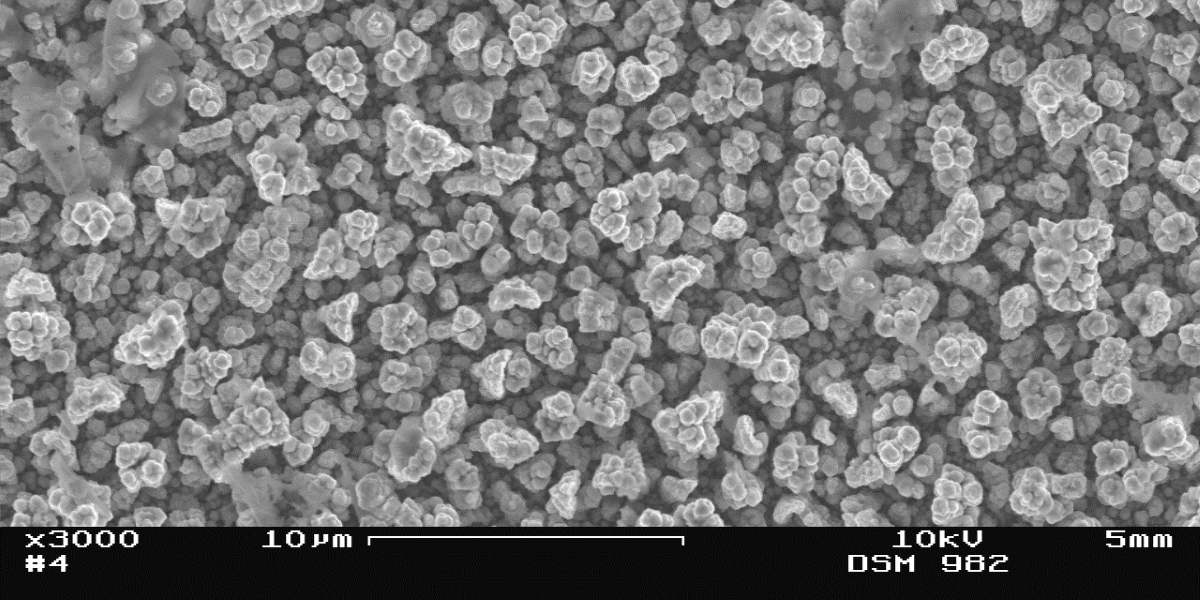
The reduction process of nitrate at copper based electrodes was investigated. The cyclic voltammetry (CV) studies allowed us to establish the specific parameters concerning the electrodeposition of the individual metals and their alloys. It was demonstrated that the products resulting from electrochemical nitrate reduction (ENR) in alkaline media can be detected by cyclic hydrodynamic voltammetry (CHV) and square wave voltammetry (SWV) techniques at Cu and CuSn plated Pt electrodes. Moreover, using SWV ammonium can be electrochemically detected with good accuracy. An enhancement of the electrocatalytic activity of Cu by alloying it with Sn was observed. The reduction of nitrate was investigated in an engineering laboratory scale flow reactor under different operating conditions. On the two investigated types of cathode materials (Cu and CuSn), the concentration of nitrate was reduced electrochemically to the maximum permissible limit (50 mg/L) with a energy consumption in the range of 2 – 16 kWh/kg NaNO3 at a CuSn cathode.