

Tribological behavior of Zn-Ni layers electrodeposited on different substrates by various methods
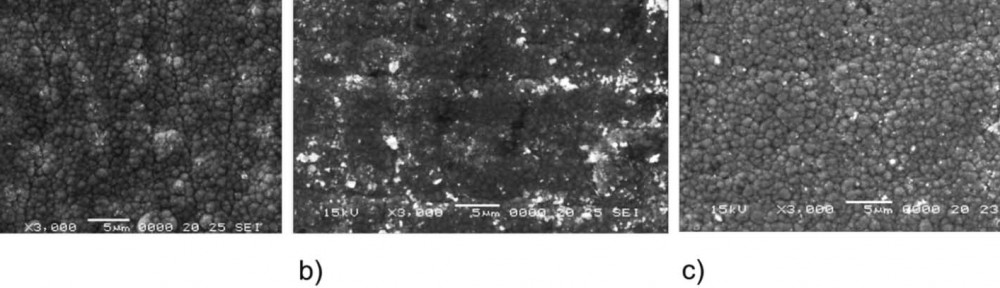 Fig. 2: SEM images: a) Zn-Ni sample, b) SiO2 + Zn-Ni + bp + f sample, and c) SiO2 + BN + Zn-Ni + f sample
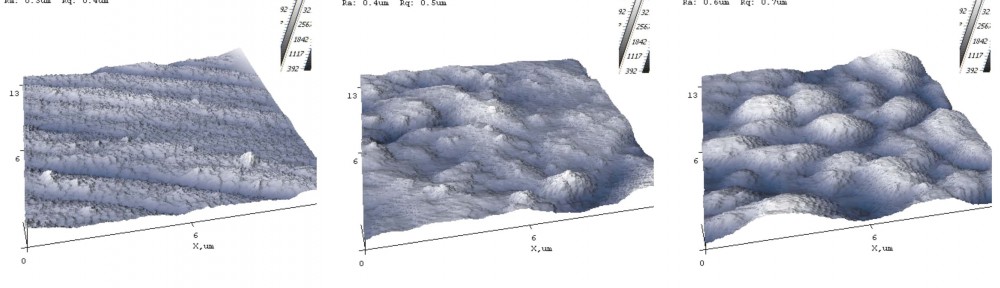
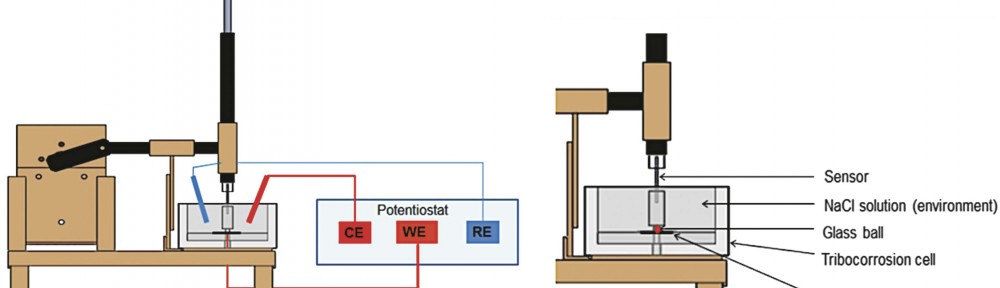
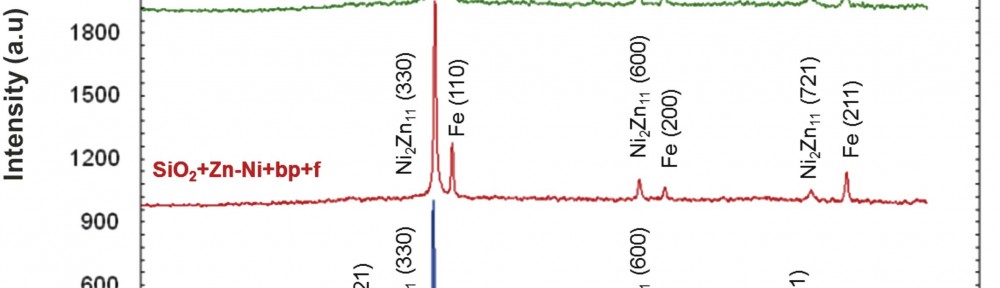
The tribological behavior of an electrodeposited Zn-Ni alloy layer has been investigated to understand the effect of substrate and electroplating methods. The substrates used were: steel, steel/silicon dioxide and steel/silicon dioxide/boron nitride. The tribological behavior was investigated using a ball-on-plate tribometer equipped with an electrochemical cell with 1 % NaCl solution. Open circuit potential measurements, chrono-amperometry (CA) (constant potential electrolysis technique – CPE) measurements and electro-chemical impedance spectroscopy (EIS) measurements were made, before and after a wear test. The coefficient of friction was also measured. The structure and morphology of the electrodeposited layers and the nature of the corrosion products were determined using SEM, XRD and AFM measurements. The Zn-Ni coating electrodeposited using pulse current electrodeposition on steel/silicon dioxide/boron nitride substrate was found to have a higher tribocorrosion resistance compared to the Zn-Ni layers electrodeposited by using pulse current electrodeposition and electrodeposition in a magnetic field on steel/silicon dioxide or by conventionally electrodeposited on steel substrate.


German-Korean Workshop: “Novel electrochemical technologies in material science for applications in information and energy technology (NEAT)”
 German-Korean Workshop

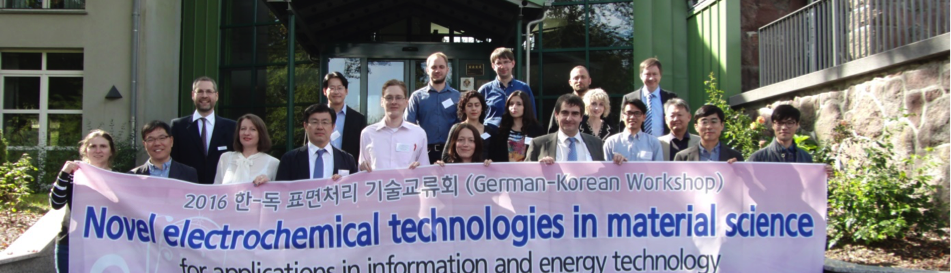
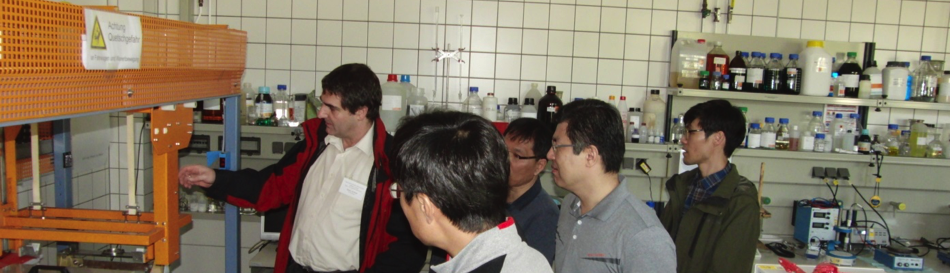
The German-Korean Workshop „Novel electrochemical technologies in material science for applications in information and energy technology“ (NEAT) took place between 24th and 26th of September at the Jagd- und Berghotel Gabelbach in Ilmenau, Germany. The workshop was organized by the Electrochemistry and Electroplating Group (TU Ilmenau, FG ECG, Prof Andreas Bund) and the Korea Institute of Materials Sciene (KIMS, Dr. Kyu-Hwan Lee). The ECG group of TU Ilmenau is for many years in contact with several research centres in Korea such as Hanyang University (Seoul), KIMS (Korea Institute of Materials Science, Changwon) or the PCB Research Center of Korea Polytechnic University (Siheung). This collaboration and the workshop were funded by the German Ministry of Education and Research BMBF (via the German National Aeronautics and Space Research Center, DLF, as project promoter) in order to advance the scientific and technical collaboration between both countries. The aim of the workshop was the preparation of joint projects in electroplating, electrocatalysis and energy storage. More than 20 scientists form Korea and Germany participated in this event, most of them young researchers. Continue reading…
SFCHINA2016 - Meet the Finishing Industry in One Show!
 SFCHINA2016 - November 30 to December 2, 2016

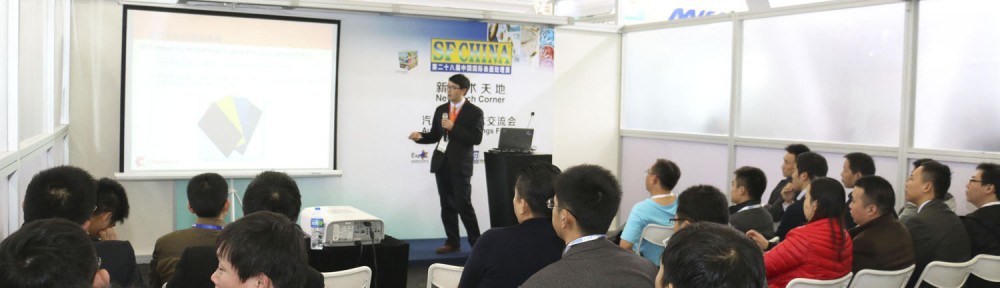
SFCHINA2016 (the 29th China International Exhibition for Surface Finishing & Coating Products) will open its gate to global industry players from November 30 to December 2, 2016 at the China Import and Export Fair Complex (Canton Fair Complex) Guangzhou, P.R. China. Since its first show held in 1983, SFCHINA has been offering worldwide suppliers a unique opportunity to present their products or services particularly to the China market and Asia Pacific region. As always, SFCHINA2016 covers the whole range of products and services of the finishing industry in 2 exhibit zones: Continue reading…
8-hydroxy-7-phenylazo-quinoline-5-sulfonicacid derivatives as corrosion inhibitors for copper in nitric acid solutions
 Prof. Dr. A. S. Fouda
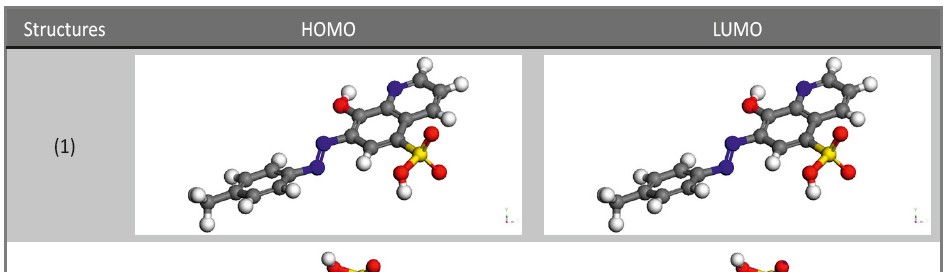

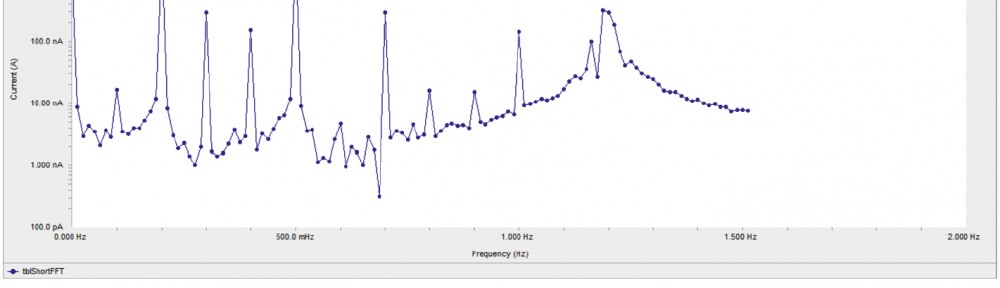
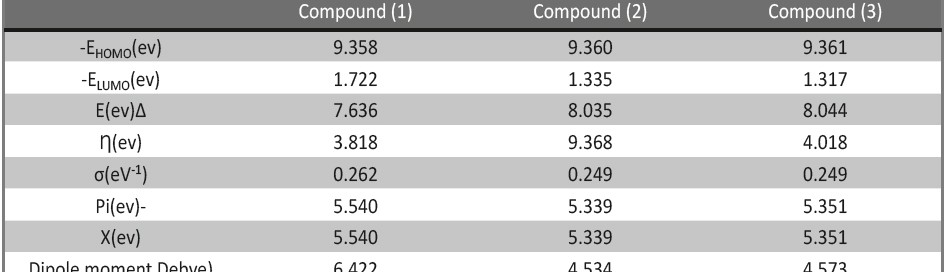

Corrosion Inhibition of copper in nitric acid by 8-hydroxy-7-phenylazo-quinoline-5-sulfonicacid derivatives have been studied using weight loss and electrochemical measurements. The results showed that these derivatives act as moderate corrosion inhibitor for copper at all concentrations of these derivatives. All results indicate that the inhibition efficiency increases with increasing inhibitor concentrations. Polarization curves revealed that these derivatives are mixed type inhibitors. The adsorption of these derivatives on the surface of the copper specimens obeys Temkin adsorption isotherm. Some thermodynamic and kinetic parameters for the corrosion process were calculated and discussed. Some quantum chemical parameters for these derivatives calculated by the density function theory (DFT) semi-empirical method to provide further insight into the mechanism of inhibition of the corrosion process.