Study of the electrochemical activity of Agnéby clay as a modifier of a graphite-based carbon electrode for the detection of perfluorooctanoic acid

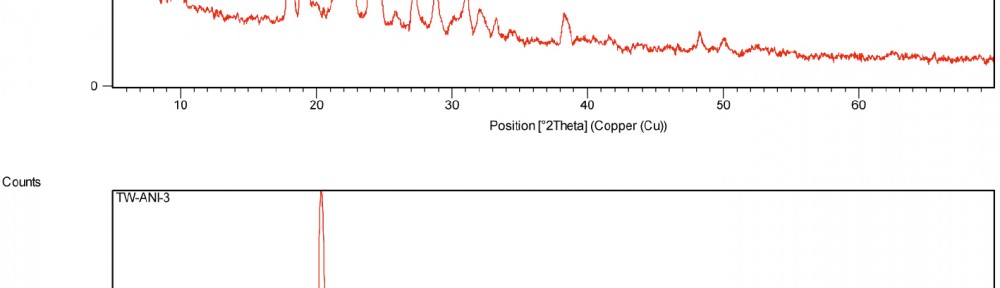
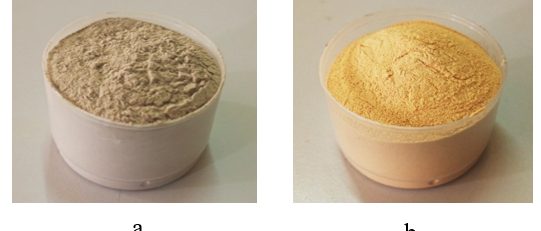
A graphite paste electrode modified with 3% Agnéby clay was developed for the sensitive electrochemical detection of perfluorooctanoic acid (PFOA). The natural clay was purified and characterized by X-ray diffraction prior to its incorporation into the electrode matrix. The interaction between Agnéby clay and PFOA plays a key role in enhancing the electrochemical response through adsorption and preconcentration effects, leading to increased active surface area and improved electron transfer kinetics.

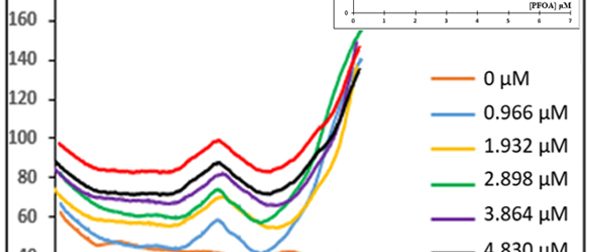
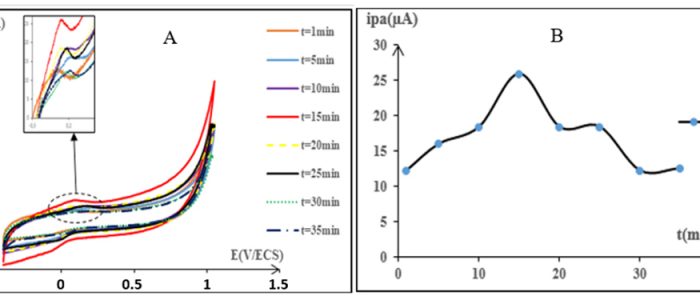
Electrochemical measurements performed using cyclic voltammetry and square wave voltammetry revealed significantly enhanced oxidation signals compared to the unmodified electrode. The modified electrode exhibited a detection limit of 0.49×10⁻⁶ mol⋅L−1, along with good stability and reproducibility.

These results demonstrate that Agnéby clay is an effective, low-cost modifier for the development of high-performance electrochemical sensors, offering promising applications for environmental monitoring of perfluorinated compounds.


    

Electrochemical Deposition and Characterization of Conjugated Copolymers of Thiophene and Aniline

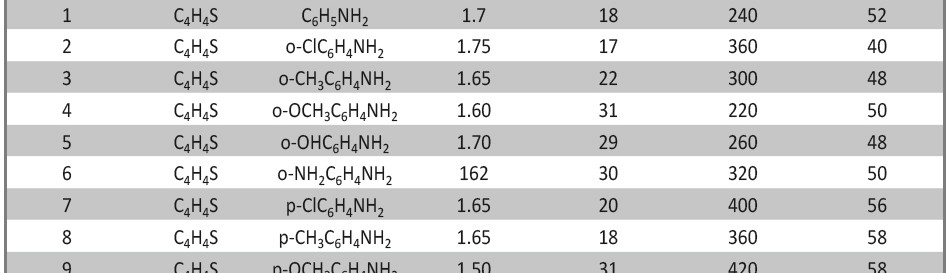
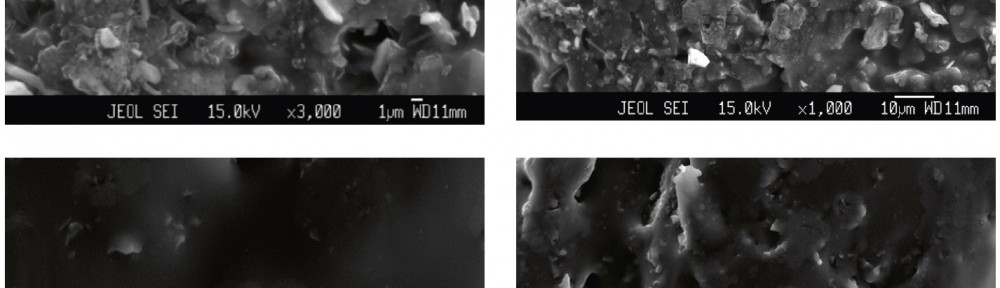
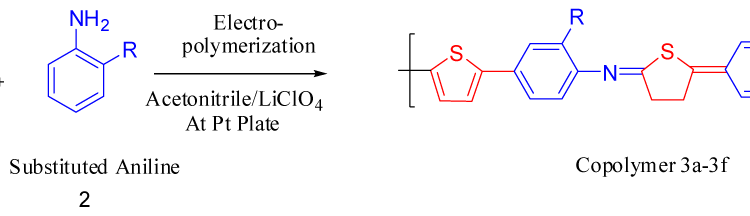
A new series of copolymers, obtained by reacting aniline as electron donor with thiophene as electron acceptor in a donor–acceptor structure (poly-thio-co-ani), were synthesized via electrochemical polymerization using acetonitrile as a solvent and lithium perchlorate as supporting electrolyte. The copolymer have better solubility in DMSO and KOH than the corresponding homopolymers. Copolymerization of aniline and thiophene was studied by UV-visible and FT-IR spectroscopy. In order to analyze their structure and characteristics X-ray diffraction analysis was applied and the samples were photographed under scanning electron microscope (SEM) for microstructure analysis and morphological property. Electrochemical properties were observed by cyclic voltammetry.