
Electrochemical measurements performed using cyclic voltammetry and square wave voltammetry revealed significantly enhanced oxidation signals compared to the unmodified electrode. The modified electrode exhibited a detection limit of 0.49×10⁻⁶ mol⋅L−1, along with good stability and reproducibility.
These results demonstrate that Agnéby clay is an effective, low-cost modifier for the development of high-performance electrochemical sensors, offering promising applications for environmental monitoring of perfluorinated compounds.
1 Introduction
Perfluorooctanoic acid (PFOA) is a synthetic per-fluorinated carboxylic acid that has been extensively employed as a surfactant in various industrial applications. Owing to the strength of carbon–fluorine bonds, PFOA exhibits exceptional chemical stability, leading to pronounced environmental persistence. It therefore fulfills the persistence criterion defined under the REACH Regulation and, considering its documented toxicological effects, also meets the toxicity criterion [1, 2]. As a result, PFOA is classified in Europe as a substance of very high concern, which has prompted regulatory restrictions and reinforced the need for
reliable monitoring strategies [3].
The release of PFOA into the environment mainly originates from fluoropolymer manufacturing processes and the use of firefighting foams. Additional contributions arise from residual PFOA present in treated consumer products and from the degradation of precursor compounds such as fluorotelomeres, resulting in widespread environmental dissemination [4]. Human exposure to PFOA has been associated with several adverse health outcomes, including reproductive toxicity, metabolic disturbances, immune system impairment, and increased risks of certain cancers and cardiovascular diseases, as reported in epidemiological and occupational studies [5–7].
Various analytical methods have been developed for the determination of PFOA, including liquid chromatography coupled with mass spectrometry (LC-MS), high-performance liquid chromatography (HPLC), and spectroscopic techniques [8, 9]. More recently, electrochemical methods have attracted increasing attention due to their simplicity, low cost, and high sensitivity [10, 11]. However, the development of efficient and selective electrochemical sensors for PFOA detection remains a challenge, particularly in complex matrices [12, 13].
In this context, electrochemical methods represent an attractive analytical approach for the detection of persistent organic pollutants, offering simplicity, sensitivity, and low instrumental cost. Recent advances have focused on the modification of electrode surfaces with functional materials to enhance analyte adsorption and charge-transfer efficiency, thereby improving sensor performance [14–19].
Among the various modifiers investigated, natural clays such as bentonite, kaolinite, and montmorillonite exhibit layered structures rich in hydroxyl groups and exchangeable cations. These features confer high specific surface areas and favorable electrochemical properties when incorporated into electrode matrices [20, 21]. Moreover, the use of locally available natural clays enables the fabrication of cost-effective and environmentally sustainable electrochemical sensors without complex processing steps [22].
Based on these considerations, the present study investigates the electrochemical behavior of a graphite-based carbon paste electrode modified with Agnéby clay and evaluates its performance for the voltammetric detection of perfluorooctanoic acid.
2 Experimental
2.1 Reagents and solutions
The chemical used to prepare our working electrodes is graphite carbon powder. It was obtained from Sigma-Aldrich. Distilled water was used to prepare all the solutions.
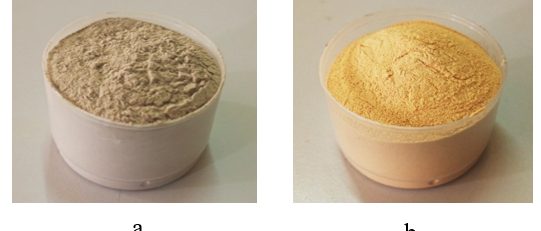
The clay material used was obtained from the Agnéby site, a village in Dabou, in southwestern Côte d’Ivoire. This raw clay was air-dried in the shade for 21 days. Once dry, the clay was crushed, ground, and sieved. The resulting powder was then calcined in a Thermolyne kiln at 900 °C for one hour to render all the organic matter inert. After calcination and cooling, the clay was again de-powdered and sieved five times before being sampled for use, as shown in Figure 1.
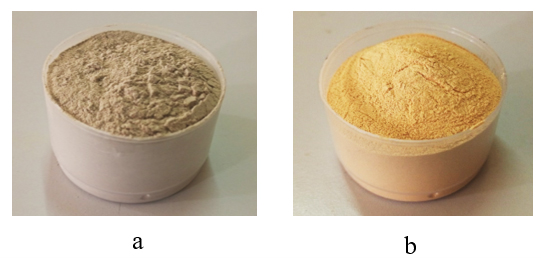
Fig. 1: Clay powder after purification: (a) uncalcined sample, (b) calcined sample
The supporting electrolyte used is sodium sulfate, formula Na2SO4, at 0.1M with a purity of 99% and a molar mass of 142.04 g/mol. This product was obtained from Prolabo.
Perfluorooctanoic acid, the product under study, has the formula C7F15COOH and is characterized by a purity of 95%, with a molar mass of 414.07 g/mol. It was obtained from Sigma-Aldrich.
2.2 Characterization Methods
2.2.1 Instrument
Electrochemical experiments, including cyclic voltammetry (CV) and square wave voltammetry (SWV), were performed using a plug-and-play MiniEC2 potentiostat provided by the Information Sciences Department of East China University of Science and Technology (Shanghai, China). The system was controlled by Dorado 2019 software for data acquisition.
A three-electrode electrochemical cell was employed for all measurements. The working electrode was a clay-modified carbon paste electrode (EPC-Arg), the counter electrode was a platinum wire, and the reference electrode was a saturated calomel electrode (SCE). The reference electrode was placed in a Luggin capillary with its tip positioned close to the working electrode to minimize ohmic drop [23]. All experiments were conducted at room temperature in 0.1 M Na₂SO₄ supporting electrolyte.
Cyclic Voltammetry (CV) parameters :
• Potential range: −0.8 V to +1.2 V vs. SCE
• Scan rate: 100 mV s⁻¹ (unless otherwise stated)
• Number of cycles: 3 (to ensure electrode stabilization)
• Step potential: 5 mV
• Temperature: 25 °C
Square Wave Voltammetry (SWV) parameters:
• Potential range: −0.4 V to +1.2 V vs. SCE
• Scan rate: 100 mV s⁻¹
• Modulation amplitude: 50 mV
• Frequency: 25 Hz
• Trigger time: 2 s
• Step potential: 5 mV
• Temperature: 25 °C
These parameters were selected to optimize the sensitivity and reproducibility of PFOA detection. All measurements were repeated at least three times to ensure consistency, and the results are
reported as average values.
2.2.2 Working electrode
Our working electrode was made from a graphite rod extracted from 1.5 V Daniell batteries and an electrode body (insulating resin) containing a cavity with a surface area of 0.1256 cm². Clay powder was mixed with graphite carbon powder and a few drops of paraffin oil. The resulting paste was used to fill the cavity in the support. The graphite rod provided electrical contact with the paste. The electrode was then rinsed with distilled water, cleaned, and degreased with acetone before being carefully stored at room temperature for 24 hours. Afterward, a smooth paper (filter paper) was used to polish the electrode surface before each use. The resulting electrode is a clay-modified carbon paste electrode (EPC-Arg).
2.2.3 Analytical Procedure
The carbon paste electrode was modified with varying mass percentages of Agnéby clay (1–10%) and electrochemically characterized in the presence of PFOA in order to determine the optimal clay content for sensor performance. The clay-modified electrode was electrochemically characterized in 0.1 M Na₂SO₄ in the absence and presence of PFOA at a concentration of 0.0603 mM. Subsequently, the working electrode was then characterized under the same conditions at different PFOA concentrations. The influence of PFOA concentration was investigated to evaluate the variation in current density as a function of PFOA concentration, which allowed for the calculation of the limit of detection (LOD), which represents the smallest
amount of PFOA that our working electrode can reliably detect.
The limit of detection (LOD) and the limit of quantification (LOQ) were calculated according to the method proposed by work of Miller and Miller [24]. In this work, the standard deviation of the mean current (SD) measured during the voltammetric analysis is determined by equation <1>. Based on this SD, the limit of detection (LD) and the limit of quantification (LQ) are then obtained from equations <2> and <3>.
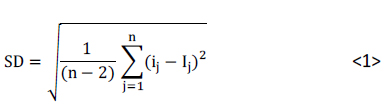


In these equations, ij is the experimental value of the current measured during experiment I, and Ij is the corresponding value calculated at the same concentration from the calibration equation. The term n is the number of measurements performed, while S is the slope of the calibration equation.
In addition, the influence of pH was studied to identify the meduim in which the developed electrochemical sensor performs mort effectively. Accordingly, in the presence of PFOA, the sensor was characterized in different environments, namely acidic, neutral, and basic.
Sensor repeatability was assessed through statistical analysis of the relative standard deviation (RSD). A series of six PFOA solutions with concentrations of 0.97, 1.93, 3.90, 3.86, 4.83, and 5.80 μM were examined using a single EPC-Arg electrode. Between consecutive measurements, the electrode surface was mechanically renewed to ensure consistent experimental conditions. The RSD values were determined using the following relationship:

With RSD: Relative Standard Deviation; SD: Standard Deviation; Cmoy: Calculated Average Concentration.
The resistance of the proposed electrochemical sensor to possible interferences was investigated by introducing a series of inorganic ions and organic compounds commonly encountered in aqueous systems. The tested species included K+, Cu2+, Mg2+, Zn2+, NO3−, ascorbic acid (C6H8O6), long-chain alcohol (C20H50O) and histidine (C6H9N3O2). Measurements were carried out in solutions containing a fixed PFOA concentration of 0.05 mM, while each interferent was added separately at a concentration of 1 mM, corresponding to a twentyfold excess. All experiments were performed in 0.1 M Na₂SO₄ used as the supporting electrolyte. The extent to which each species affected the PFOA signal was evaluated through calculation of the interference factor according to equation <5> [25]:

where i and i’ respectively represent the peak currents recorded in the absence and presence of the interferent.
The practical applicability of the proposed sensor was assessed using carrot juice as a real matrix. Known amounts of PFOA were added to the samples to obtain concentrations between 3.99 and 23.99 mg·L⁻¹ (3.99, 7.99, 11.99, 15.99, 20.01, and 23.99 mg·L⁻¹). The electrochemical responses were subsequently recorded by square wave voltammetry using the prepared electrode.
3 Results and discussion
3.1 Choosing the quantity of the modifierc
The clay extraction area is located within a sedimentary basin particularly rich in clay minerals. The purity and composition of the Agneby clay used as the electrode support were characterized by X-ray diffraction (XRD), as shown in Figure 2. The analysis revealed that the clay is mainly composed of kaolinite (K) and illite (I), with trace amounts of quartz (Q) and anatase [26].
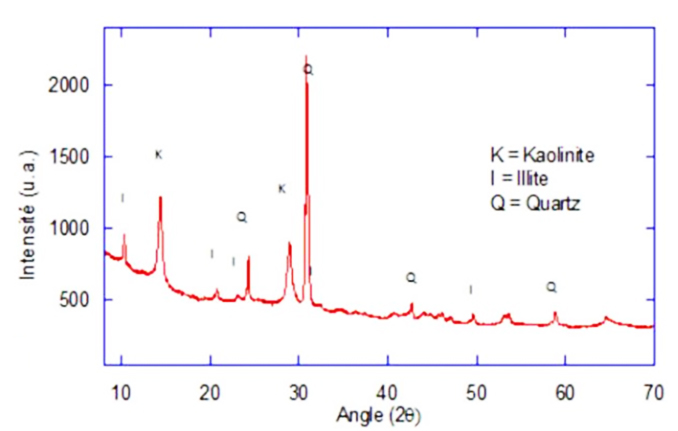
Fig. 2: X-ray diffraction pattern of Agnéby clay (kaolinite K, illite I, quartz Q)
Kaolinite possesses a lamellar structure and reactive hydroxyl groups, which facilitate the immobilization of metallic nanoparticles. Its effectiveness as an electrochemical support has been demonstrated by the enhanced sensitivity and stability of the electrochemical sensor [27].
To determine the optimal percentage of the modifier (clay) capable of detecting PFOA, the amount of clay incorporated into the carbon paste was varied. The tested compositions contained 1, 3, 5, 7, and 10%. The resulting electrodes were characterized in an electrolytic solution containing 0.0603 mM PFOA. Incorporation the modifier at different proportions into the graphite carbon paste led to variations in the peak current. Figure 3(A) shows the different voltammograms recorded for each amount of clay content. While the corresponding current densities obtained from these peaks observed for each amount of clay content allowed us to construct the following curve (Fig. 3(B)).
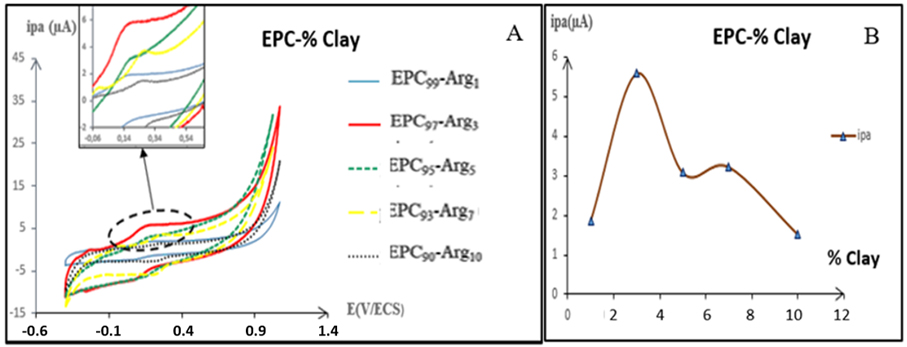
Fig. 3: Cyclic voltammograms for EPC electrodes with varying clay % (1–10%) and peak current vs clay content
By plotting the variation of current density as a function of the clay content, the curve shows a maximum current of 5.593 μA at 3% clay addition to the carbon, which the current gradually decreases as the clay content increases. This decline may be attributed to an increase in surface resistance of the modified electrode caused by the excess clay. We therefore consider 3% to be the optimal clay content in the carbon paste (EPC97-Arg3) for the electrochemical detection PFOA.
Figure 4(A) presents the cyclic voltammograms of the unmodified electrode (EPC mother electrode) (EPCm) and the modified electrode (EPC97-Arg3). The two voltammograms are not superimposable, indicating that the surface of electrode was successfully modified. The surface morphology of the electrode before and after
modification was observed using a Leica EZ4HD optical microscope controlled by LAS EZ software as shown a in Figure 4(B), a clear change in color and surface morphology, confirming the successful modification of the electrode.
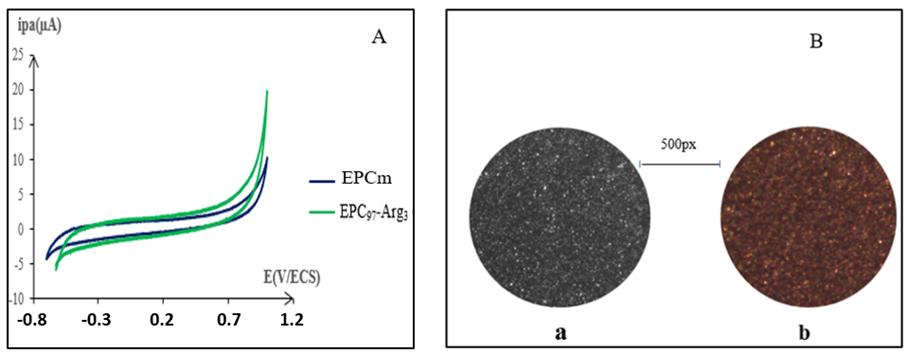
volFig. 4: (A) CV of bare vs clay-modified electrode in 0.1 M Na₂SO₄; (B) optical microscopy images before/after modification (10×/0.25 magnification, scale bar included)
Figure 5 presents scanning electron microscopy (SEM) micrographs of the clay powder employed in the fabrication of the clay-modified carbon paste electrode, acquired at two magnification levels. At low magnification (20 μm, image A), the material is composed of non-uniform aggregates displaying a wide distribution of particle sizes and irregular geometries. The surface appears highly uneven, with numerous cavities and protrusions, indicative of a textured morphology that may increase the available surface area.
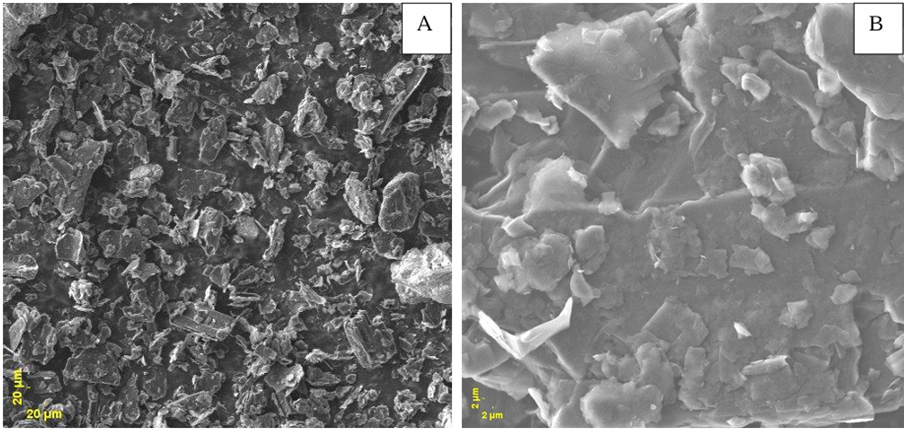
Fig. 5: SEM micrographs of the graphite/clay mixture used for electrode preparation, illustrating the surface morphology at different magnifications (20 μm, 2 μm)
At higher magnification (2 μm, image B), the microstructure reveals plate-like assemblies characteristic of clay-based materials. The presence of stacked layers, partially separated sheets, and uneven edges is clearly observed, along with surface imperfections. These features are associated with the availability of exposed sites that can favor the interaction with electroactive species.
Taken together, the heterogeneous and layered morphology observed is well suited for electrochemical applications, as it can promote efficient contact between the electrode surface and the analyte while supporting enhanced charge-transfer processes [28].
3.2 Influence of variation in PFOA concentration
This sensor was electrochemically characterized using cyclic voltammetry and square wave voltammetry to investigate the influence of varying PFOA concentration on the electrode response. The evolution of anodic and cathodic peaks observed in each cyclic voltammogram depends on the amount of PFOA introduced into the solution.
Around 0.129 V (vs. SCE), the anodic peak current increases linearly from 4 to 45 μA with increasing PFOA concentration in the range 0.096–7.289 μM. The corresponding anodic peak current values are summarized in Table 1.

Tab. 1: Anodic peak current as a function of PFOA concentration
The observed oxidation peaks are attributed to the electrochemical oxidation of perfluorooctanoate ions (C₇F₁₅COO-), which are formed through the acid–base dissociation of perfluorooctanoic acid (PFOA) in aqueous solution according to the following equilibrium reaction [29]:

Under these conditions, the perfluorooctanoate anion represents the main electroactive species in the electrolyte. The increase in oxidation and reduction peak current densities observed in the voltammograms with increasing PFOA concentration confirms the involvement of these ions in the electrochemical process.
The anodic peak is therefore associated with the electrochemical oxidation of the perfluorooctanoate anion, leading to the formation of a radical intermediate:

During the reverse scan, a reduction peak may appear, which can be attributed to the electrochemical reduction of intermediate species formed during the oxidation process
(e.g., C₇F₁₅COO• + e– ⇌ C₇F₁₅COO–). Such behavior has been discussed in recent studies of PFOA electrochemical degradation, where active species and transformation pathways influence both
oxidation and subsequent reduction signals [30].
These electrochemical processes are primarily diffusion-controlled at the electrolyte–electrode interface [31]. Initially, PFOA undergoes acid–base dissociation to generate the perfluorooctanoate anion, which readily adsorbs onto the surface of the modified electrode. Once adsorbed, the perfluorooctanoate anion undergoes electrochemical oxidation, resulting in the transfer of electrons to the electrode. This electron transfer generates a measurable current, which is directly proportional to the PFOA concentration in the sample.
The overall mechanism, therefore, involves sequential diffusion, adsorption, acid–base dissociation, electrochemical oxidation, and electron transfer, culminating in a detectable electrical signal, as illustrated in Figure 7.
Figure 6(C) presents the calibration curve ob-tained from the square-wave voltammograms. A good linearity is observed, expressed by the following equation:
Ipa (μA) = 4.7062 [PFOA] (μM) + 5.573 (R² = 0.9947)
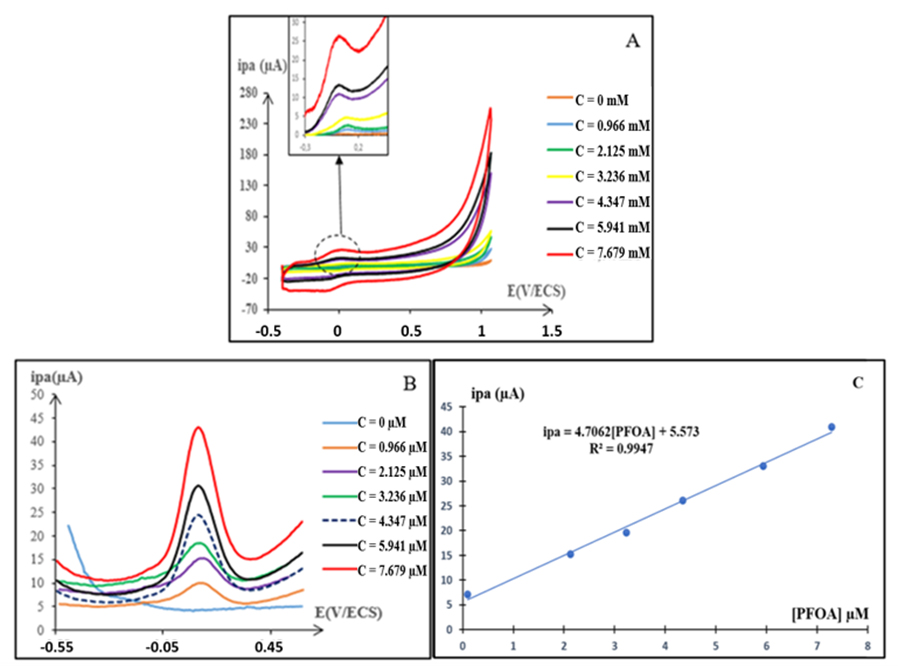
Fig. 6: (A) CV of EPC97-Arg3 at different PFOA concentrations; (B) SWV curves; (C) calibration plot
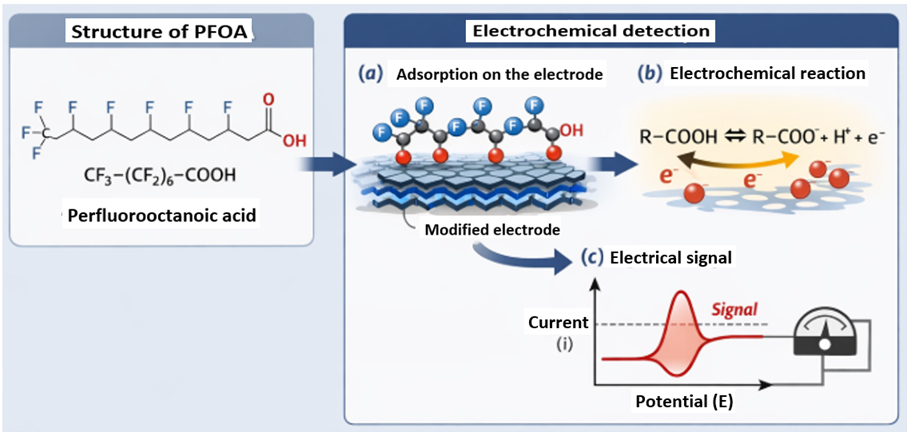
Fig.7: Electrochemical Detection Mechanism of PFOA
The high coefficient of determination R² is close to 1. The proportionality between the oxidation current and the C7F15COO- ion concentration shows that these ions are responsible for the rapid increase in the peak current observed on the active surface of the modified electrode.
Applying these formulas, the EPC97-Arg3 electrode exhibited a limit of detection of 4.9 × 10⁻⁷ mol.L-1 and a quantification limit of 1.47 × 10⁻⁶ mol.L-1.The detection limit determined in this work was compared to that of another sensor in Table 2.

Tab. 2: Comparison of electrochemical sensors reported for PFOA detection
Table 2 compares the performance of the EPC₉₇–Arg₃ sensor with other electrochemical sensors reported for PFOA detection. The EPC₉₇–Arg₃ electrode shows a detection limit of 4.9 × 10-⁷ mol.L-¹, similar to that of the Aloe vera–modified electrode. While graphene-based sensors achieve lower limits, they require more complex fabrication. The EPC₉₇–Arg₃ sensor offers a good balance between sensitivity, simplicity, low cost,
and suitability for routine analysis.
3.3 Influence of pH
Since pH is a critical parameter in electrochemical analysis, the voltammetric behavior of Perfluorooctanoic
acid at the EPC97-Arg3 electrode was investigated over a pH range from 1.60 to 10.38. The pH was adjusted using 2 M H₂SO₄ or 2 M NaOH solutions.
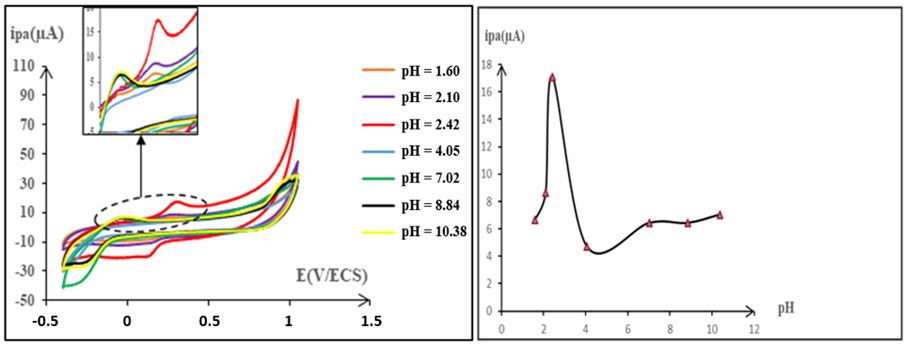
Fig. 8: (A) CV curves at different pH; (B) oxidation peak current vs pH
As shown in Figure 8(A), the maximum anodic peak current during the forward scan was observed at pH 2.42. Although PFOA is predominantly protonated at this pH, the high proton concentration facilitates proton-coupled electron transfer (PCET) and activates the surface functional groups of the EPC97-Arg3 electrode,
enhancing electron transfer kinetics and the availability of electroactive sites [32]. At higher pH values, the peak current gradually decreases, likely due to the penetration of OH- ions into the electrode matrix, which reduces the amount of electroactive material and slows the electron transfer process [33].
Therefore, pH 2.42 was selected as the optimal condition for subsequent PFOA detection, providing both maximal electrode activation and favorable electron transfer kinetics.
3.4 Effect of contact time or accumulation
The effect of contact time on the PFOA oxidation peak was investigated to assess the electrochemical response of the working electrode. PFOA adsorption on the electrode likely involves both physical and chemical interactions. Physical adsorption occurs via Van der Waals or hydrophobic forces between the perfluorinated tail and the electrode surface, forming a reversible layer, whereas chemical adsorption involves the terminal carboxylate interacting with active sites through coordinative or ionic bonds, resulting in
stronger binding.
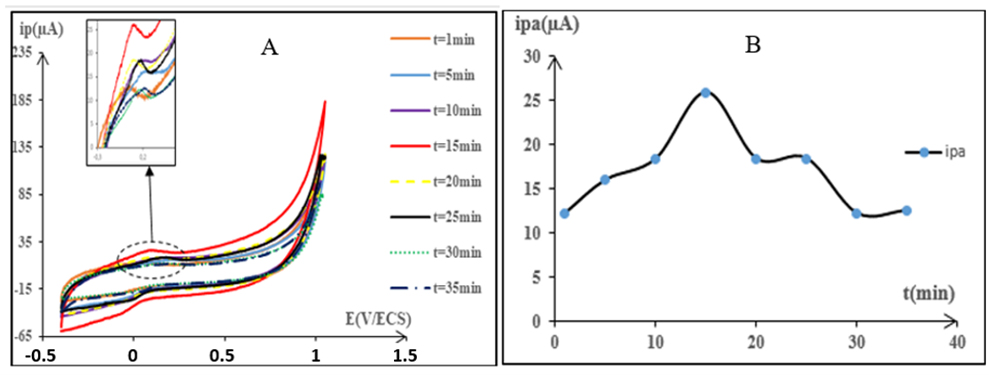
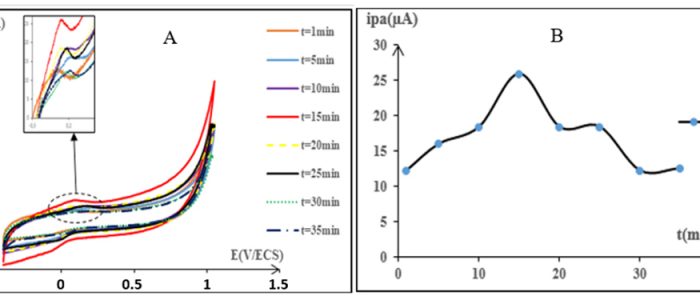
Fig. 9: (A) CV curves for different PFOA contact times; (B) anodic peak current vs accumulation time
Cyclic voltammetry of electrodes immersed in 2 mM PFOA in 0.1 M Na₂SO₄ for 1–35 minutes revealed that the anodic peak current increased up to ~15 minutes, indicating effective adsorption and electroactivity. The results are presented in Figure 8(A), with additional data shown in Figure 9(B). This behavior is attributed to partial surface coverage by perfluorooctanoate ions, facilitated by electrostatic and hydrophobic interactions. Beyond 15 minutes, the anodic current declined sharply, likely due to the formation of an insulating film of
adsorbed PFOA or intermediate oxidation products, which impedes electron transfer.
3.5 Relative standard deviation (RSD)
These results indicate that the electrode is suitable for rapid PFOA detection within 0–15 minutes. For longer contact times, strategies such as electrode rinsing, solution stirring, or surface modification could mitigate film formation, prolong electroactive lifetime, and maintain analytical sensitivity.
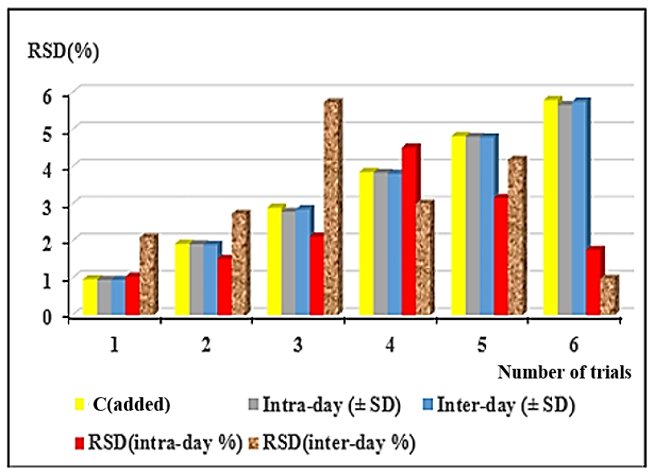
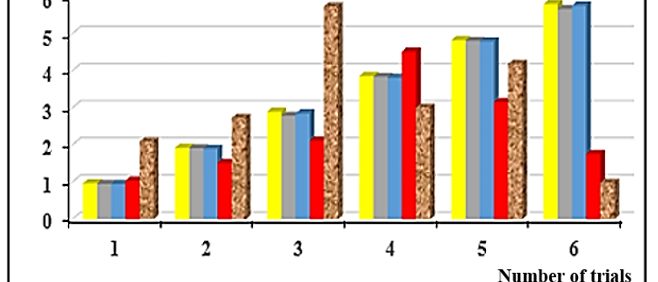
Fig. 10: RSD (%) intra- and inter-day for different PFOA concentrations using EPC97-Arg3
The low intra- and inter-day RSD values (< 6%) across all trials show that the EPC97-Arg3 sensor is highly repeatable, reliably reproducible, and sufficiently stable, meeting the standard expectations in analytical chemistry [36, 37].
3.6 Study of selectivity
Table 3 presents the effect of various potentially interfering inorganic and organic compounds on the detection of 0.05 mM PFOA by squarewave voltammetry.
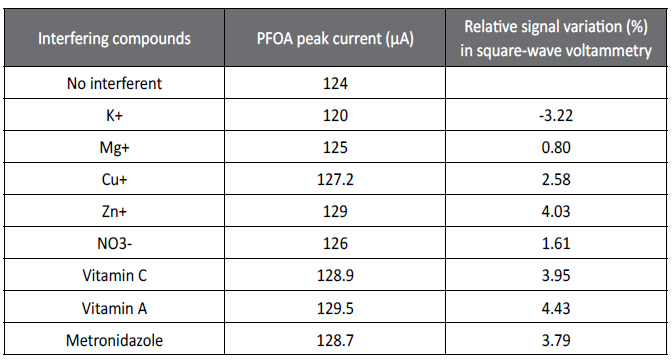
Tab. 3: Effect of inorganic and organic interfering compounds on the detection of 0.05 mM PFOA
In the absence of interfering species, the PFOA peak current was measured at 124 μA, which was used as the reference value to evaluate signal changes. The addition of common inorganic ions
(K+, Mg²+, Cu+, Zn²+, and NO₃-) resulted in only minor variations, ranging from −3.22% to +4.03%, indicating that their effect on the electrochemical response of PFOA is negligible. The slight decrease observed with K+ suggests weak ionic competition, while the modest signal increases in the presence of Cu+ and Zn²+ are likely due to electrostatic interactions or localized modifications at the electrode surface.
Similarly, the tested organic compounds (vitamin C, vitamin A, and metronidazole) induced signal variations below 5%, confirming the absence of significant interference. These results demonstrate that the proposed electrochemical sensor exhibits excellent selectivity for PFOA detection, which can be attributed to the specific adsorption and electrochemical oxidation of the target analyte at the modified electrode surface, even in the presence of common inorganic and organic species typically found in complex matrices [36].
3.7 Analytical application
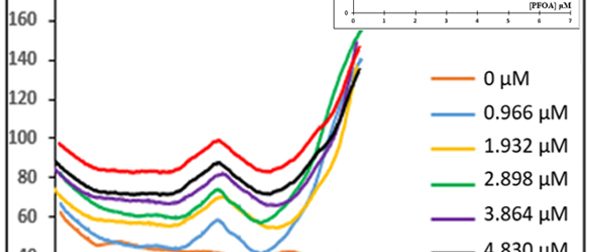
Figure 11 illustrates the electrochemical response of the EPC97–Arg3 electrode in carrot juice as the PFOA concentration increases from 0 to 5.796 μM (0, 0.966, 1.932, 2.898, 3.864, 4.830, and 5.796 μM). The SWV responses show a clear increase in anodic peak current with rising PFOA concentration.
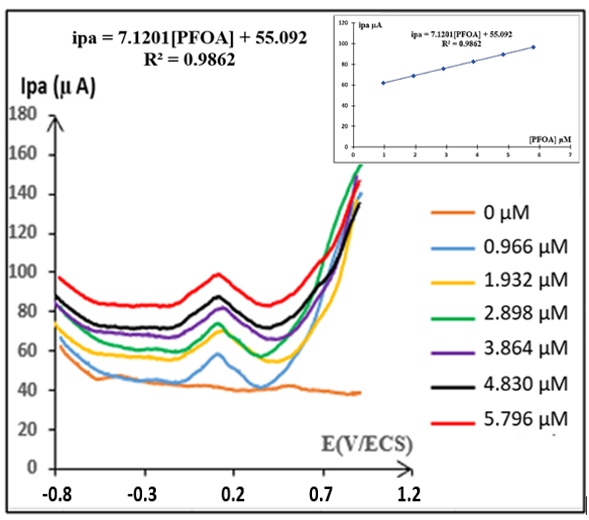
Fig. 11: SWV responses of EPC97-Arg3 in carrot juice at increasing PFOA concentrations (0–5.796 μM)
The PFOA concentration in carrot juice was determined using the standard addition method, yielding a value of [insert measured concentration]. The anodic peak appears at a slightly different potential compared with standard solutions, likely due to matrix effects (organic components, pH, ionic strength, viscosity) and partial adsorption on the electrode surface. Despite this shift, the EPC97–Arg3 electrode provides a well-defined anodic peak, enabling reliable quantification. Sample pretreatment (dilution, filtration) or standard addition calibration can further minimize matrix effects and improve reproducibility [38].
A linear relationship between the anodic peak current and PFOA concentration is observed within the studied range. The limit of detection, calculated from equation 2, is 1.41 × 10-⁶ mol L-¹, demonstrating the good sensitivity of the EPC97– Arg3 sensor in carrot juice.
4 Conclusion
The overall results demonstrate that combining electrochemical techniques with natural materials provides a promising approach for developing high-performance and durable sensors. The modification of the bare carbon electrode was successful, resulting in a composition of 97% carbon and 3% clay in an acidic medium with a pH of 2.24.
the performance of the EPC97-Arg3 electrode was then evaluated by adding known concentrations of perfluorooctanoic acid for detection. The experiment showed improved interaction between the conductive matrix and the perfluorooctanoic molecules, with a maximum contact time of 15 minutes and a detection limit of 0.49 × 10-⁶ mol L-¹. This allows us to easily study the influence of environmental parameters on
PFOA in solution. Modification of the bare electrode increased the active surface area and facilitated electron transfer.
The observed sensitivity and reproducibility underscore the potential of the EPC97-Arg3 electrode for
detecting organic acids, supporting its application in analytical contexts. Future work will involve electrochemical studies in river and well water.
References
- OECD, SIDS Initial Assessment Report PFOA (2006)
- Commission Regulation (EU) 2017/1000 of 13 June 2017 amending Annex XVII to Regulation (EC) No 1907/2006 of the European Parliament and of the Council concerning the Registration, Evaluation, Authorisation and Restriction of Chemicals (REACH), as regards pentadecafluorooctanoic acid (PFOA), its salts and PFOA-related substances. Accessed 10 March 2024
- European Commission, Impact assessment of the regulation on perfluorooctanoic acid (PFOA) and individual salts and esters of PFOA in consumer products [archive], ref: «1. IND- 2010 9019 N-FR- 20101231» IMPACT; accessed on 10 March 2024.
- Van der Putte, I., Murin, M., Van Velthoven, M., Affourtit, F. Analysis of the risks arising from the industrial use of Perfuorooctanoic acid (PFOA) and Ammonium Perfluorooctanoate (APFO) and from their use in consumer articles. Evaluation of the risk reduction measures for potential restrictions on the manufacture, placing on the market and use of PFOA and APFO. RPS Advies B.V. 82 (2010)
- Steenland, K., Fletcher, T., & Savitz, D. A., Environmental health perspectives, (2010); 118(8), 1100.
- Shankar, A., Xiao, J., & Ducatman, A., Archives of internal medicine, (2012), 172(18), 1397-1403.
- Lundin, J. I., Alexander, B. H., Olsen, G. W., & Church, T. R, Epidemiology, (2009), 20(6), 921-928.
- K. Kannan, S. Corsolini, J. Falandysz et al.: Perfluorooctanesulfonate and related fluorochemicals in human blood from several countries, Environ. Sci. Technol., (2004), 38, 4489–4495.
- U.S. EPA: Method 537: Determination of PFAS in drinking water, (2009).
- J. Wang: Analytical Electrochemistry, 3rd ed., Wiley, New York (2006).
- F. Apetrei, C. Apetrei: Electrochemical sensors for environmental monitoring, Sensors, (2018), 18, 455.
- X. Zheng, C. Li, N. Yang, et al., Electrochemical Sensing of Perfluorooctanoic Acid via a Rationally Designed FluorineFunctionalized CuMOF and InDepth Analysis of Sensing Mechanism, Anal. Chem., (2025), 97 (11), 6347–6358.
- SOLÍS, Jonathan J. Calvillo, YIN, Sheng, GALICIA, Mónica, et al. “Forever chemicals” detection: A selective nano-enabled electrochemical sensing approach for perfluorooctanoic acid (PFOA). Chemical Engineering Journal, (2024), vol. 491, p. 151821.
- Sanou, A., Coulibaly, M., N’dri, S. R., Tămaș, T. L., Bizo, L., Frentiu, T., … & Turdean, G. L., Journal of Materials Science, (2024), 59(30), 13961-13977.
- Mouafo-Tchinda, E., Kemmegne-Mbouguen, J. C., Nanseu-Njiki, C. P., Langmi, H. W., Kowenje, C., Musyoka, N. M., & Mokaya, R., RSC advances, (2023), 13(30), 20816-20829.
- Kemmegne-Mbouguen, J. C., Tamne, G. B., Ngo-Ngwem, M. C., Toma, H. E., Araki, K., Constantino, V. R. L., & Angnes, L., RSC advances, (2024), 14(27), 19592-19602.
- Justin, B. T. D., Blaise, N., & Valery, H. G., Heliyon, (2023), 9(2). e13474
- Rabi-Stanković, A. A., Milutinović-Nikolić, A., Jović-Jovičić, N., Banković, P., Žunić, M., Mojović, Z., & Jovanović, D., Clays and Clay Minerals, (2012), 60(3), 291-299.
- Ngo-Ngwem, M. C., Alkhaldi, T., Tamne, G. B., Kemmegne-Mbouguen, J. C., Tchoumi, F. P., Ngambi, E. D., … & Mokaya, R., Journal of Electroanalytical Chemistry, (2025), 119135.
- Adeyemo, A. A., Adeoye, I. O., & Bello, O. S., Applied Water Science, (2017), 7(2), 543-568.
- Wang, P., Shen, X., Qiu, S., Zhang, L., Ma, Y., & Liang, J., Crystals, (2024), 14(12), 1046.
- Chen, M., Yang, T., Han, J., Zhang, Y., Zhao, L., Zhao, J., … & Wu, J., Catalysts, (2023), 13(1), 123
- Guillaume, P. L. A., Honoré, K. K., Albert, T., & Ouattara, L., International Journal of Pure and Applied Sciences and Technology, (2013), 14(1), 33-43.
- Miller, Jane C., and James N. Miller., Analyst, (1988), 113.9n: 1351-1356.
- Konan, K. K., Appia, F. T. A., Etienne, K. K., Jocelin, K. K., Souleymane, K., & Lassiné, O., Mediterranean Journal of Chemistry, (2021), 11(3), 244-254
- Djomo, A. S., Kouakou, C. H., Konan, H. A. O., & EMERUWA, E., Afrique Science, (2019), 15(5), 1-11.
- Sarıbaş, P., Yıldız, C., Bayraktepe, D. E., Turan, M. P., & Yazan, Z., Food Chemistry, (2024), 453, 139701.
- Kemmegne-Mbouguen, J. C.; Angnes, L., Journal of Electroanalytical Chemistry, (2020), 873, 114364.
- Liu, G., Zhou, H., Teng, J., & You, S., Chemical Engineering Journal, (2019), 371, 7-14.
- Zeidabadi, F. A., Esfahani, E. B., McBeath, S. T., Dubrawski, K. L., & Mohseni, M. Electrochemical degradation of PFOA and its common alternatives: assessment of key parameters, roles of active species, and transformation pathway. Chemosphere, (2023), 315, 137743.
- Touati, A., Benounis, M., Boudjemaa, K. E., & Barhoumi, H., Sensor Letters, (2016), 14(11), 1138-1143.
- Lewis, N. B., Bisbey, R. P., Westendorff, K. S., Soudackov, A. V., & Surendranath, Y. A molecular-level mechanistic framework for interfacial proton-coupled electron transfer kinetics. Nature Chemistry, (2024), 6(3), 343-352.
- A. J. Bard, L. R. Faulkner, Electrochemical Methods: Fundamentals and Applications, 2ᵉ éd., Wiley, , New York, USA, (2001).
- Koffi Jules N’Da, B. Ehui Avo Bilé, O. F. Aristide Bertrand Koffi, Teadouanka Luciano Loua, De Serifou Matyla, RAMReS Sciences des Structures et de la Matière, (2023), 7:1, p 37-47.
- Shanbhag MM, Shetti NP, Daouli A, Nadagouda MN, Badawi M, Aminabhavi TM., (2024), 40(7), 3831–3847
- J. N. Miller, J. C. Miller, Statistics and Chemometrics for Analytical Chemistry, 6ᵉ éd., Pearson Education, Harlow, Royaume-Uni, (2010).
- ICH Q2(R1), Validation of Analytical Procedures: Text and Methodology, International Conference on Harmonisation, Genève, (2005).
- Saffar-Avval, S., Gharehveran, M. M., Alvarez Ruiz, R., Lee, L. S., & Chaplin, B. P. Matrix effects on electrochemical

